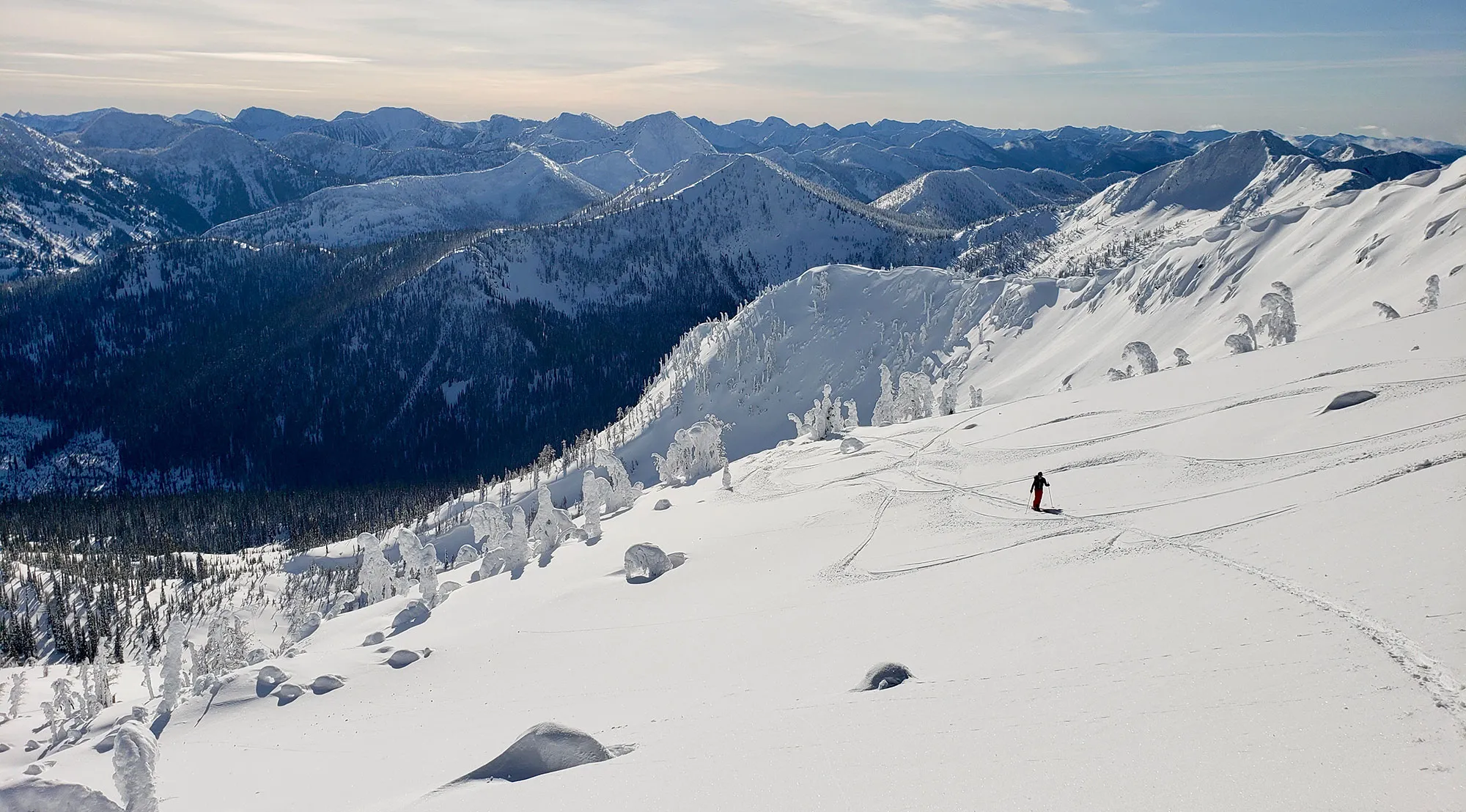
In the backcountry, the choice between light and heavy isn’t just about gear — it’s about how you move through the mountains. The answer will always be a compromise - the key is to find the compromise that’s right for you.
Why This Trade-Off Exists at All
Backcountry gear lives under conflicting demands. It needs to climb efficiently, ski well, survive repeated abuse, function in extreme cold, and ideally, never break. As someone who’s skied out from 2 ski tours with a snapped ski, I can attest that we don’t live in an ideal world.
Physics doesn’t give us everything at once. When weight drops, something else usually pays the price: durability, solidity, power, or longevity. Light gear rewards efficiency. It reduces fatigue, speeds up transitions, and opens the door to bigger days. Heavier gear absorbs mistakes. It handles variable snow, rocky exits, awkward landings, and long seasons of use.
Weight Is a Multiplier, Not a Number
One of the biggest misunderstandings in touring gear is focusing on individual grams instead of cumulative impact. A lighter ski doesn’t just feel different on the climb; it changes how tired you are three hours later, how precise your kick turns feel, and how much attention you have left for terrain and group management.
This is why weight matters most for skiers who prioritize long approaches, big vertical days, or multi-day traverses. When every step counts, lighter gear preserves decision-making capacity as much as leg strength. Fatigue is not just physical — it erodes judgment.
But weight savings are only valuable if they don’t introduce new failure points.
Durability Is a Safety Feature
Durability is often framed as comfort or longevity, but in the backcountry it’s closer to risk management. A ski that shrugs off rocks, a boot that maintains stiffness in cold temperatures, or a binding that tolerates icing and impact can be the difference between inconvenience and an epic.
Heavier gear tends to be more forgiving when conditions deteriorate. It skis breakable crust better, punches through refrozen debris, and feels calmer when things aren’t ideal — which, in reality, is most days. If your local terrain involves thin snowpacks, volcanic rock, tight trees, or long exits, durability becomes less of a luxury and more of a necessity.
The Hidden Cost of Ultralight
Ultralight touring gear performs brilliantly within its design envelope. The problems arise when it’s used outside that envelope — something many skiers do without realizing it.
Light skis often demand cleaner technique and better line choice. Minimal boots save energy on the ascent but can punish sloppy skiing or aggressive descents. Featherweight bindings climb beautifully but may give a harsh-feeling ski when pushed hard. None of these are flaws; they are trade-offs.
The real cost of ultralight gear isn’t breakage — it’s the margin it removes. Less forgiveness means fewer mistakes allowed, less adaptability in variable snow, and a narrower band of conditions where the gear feels truly comfortable.
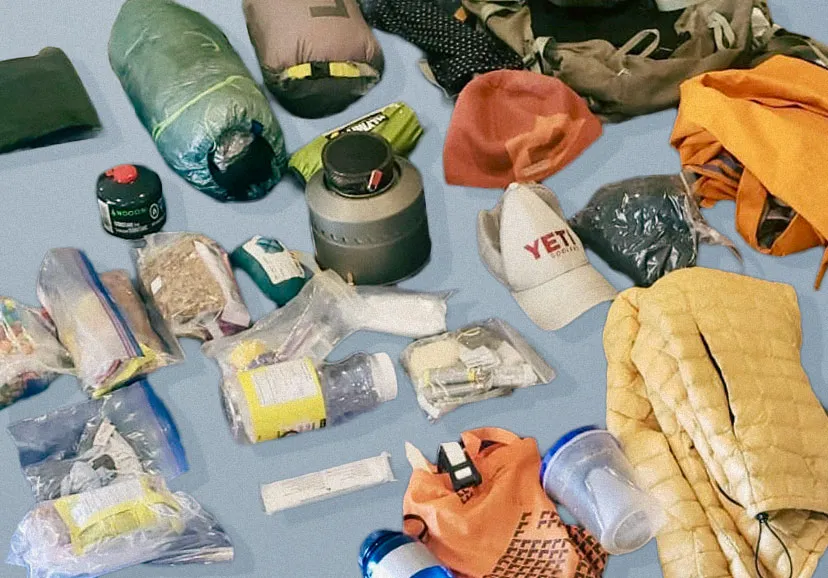
Match Gear to Objectives, Not Ego
The most reliable way to choose touring gear is to work backward from your actual skiing, not your aspirational one.
If your days revolve around early starts, long approaches, efficient climbs, and conservative descents, lighter gear makes sense. If you regularly ski complex terrain, variable snow, or prioritize downhill performance, durability should carry more weight in your decisions.
Many experienced tourers land somewhere in the middle — mixing lighter boots with more robust skis, or choosing bindings that balance efficiency with elasticity and retention. This hybrid approach acknowledges that the backcountry rarely delivers perfect conditions, and versatility often wins over specialization.
Experience Changes the Equation
As skiers gain experience, their gear choices tend to evolve. Beginners often benefit from slightly heavier, more forgiving setups that mask small errors and feel predictable in bad snow. Advanced skiers, with refined technique and sharper terrain awareness, can extract more from lighter equipment without overloading it.
There’s no shame in prioritizing durability while skills develop. Confidence in your gear frees mental space — and that mental space is far more valuable than a few hundred grams saved.
The Question That Actually Matters
Instead of asking, “Is this gear light enough?” or “Is it durable enough?” ask something more useful:
What problem is this piece of gear helping me solve?
If the answer is speed and efficiency, lighter may be right. If the answer is control, confidence, and resilience, durability deserves the vote. Most importantly, be honest about how often you’ll use the gear at its limits — and how comfortable you are when things don’t go according to plan.
The Balanced Takeaway
In ski touring, light gear expands what’s possible. Durable gear narrows what can go wrong. The sweet spot lies in understanding your objectives, your terrain, and your decision-making under fatigue.
Because the best touring setup isn’t the lightest or the toughest — it’s the one that lets you move efficiently, ski confidently, and adapt when the mountains inevitably change the rules.